
Baby Nutrition Guide: When and How to Start Solid Foods
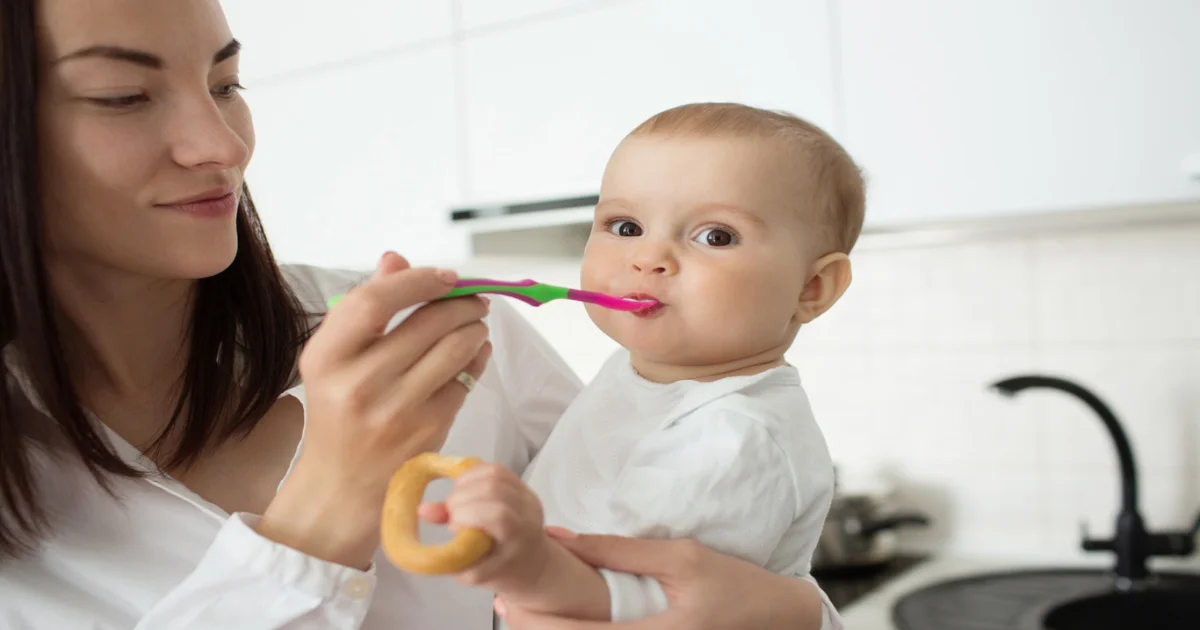
Starting solids with your baby is a fun job, but it can definitely be overwhelming to all new parents. You may be wondering when to start, find out more about the baby nutrition guide, what to offer for food and how to offer food in a safe manner and to support development for your baby. In this guidebook, we take you through all stages of starting solid foods, from when and how to how to make each meal, but always in the best baby food bargains with Yallaa Coupon and its baby nutrition guide!
Here are some baby nutrition guide which will help all the parents.
When to Start Solid Foods
The World Health Organization (WHO) and child physicians recommend giving solid foods at 6 months of age. Before that, formula or breast milk supplies all the nutrients. However, each baby is different, and some signs indicate the readiness for solids, including:
Good Head Control – Your baby is able to sit up and maintain a still head.
Interest in Food – They watch you eating and try to grab food.
Loss of Tongue Thrust Reflex – The tongue thrust reflex starts to disappear.
Ability to Swallow – They can thrust food back toward the back of their mouth and swallow.
If your baby shows these signs at about 6 months, they’re probably ready to start solid foods! Always check with your pediatrician, though, before trying something new. and also yallaa coupon will give the best baby nutrition guide.
How to Introduce Solids: Step-by-Step Guide
Start With Single-Ingredient Foods
Start with easy-to-digest, single-ingredient foods like:
Iron-fortified baby cereals (rice, oatmeal)
Pureed vegetables (carrots, sweet potato)
Mashed fruit (bananas, avocados)
This way you can see if your baby has any allergies or intolerance.
Introduce Only One New Food at a Time
Wait 3-5 days to observe for allergic symptoms as rashes, vomiting, or diarrhea, before introducing another new food.
Introduce Textures and Variety Gradually
As your baby gets used to eating, introduce thicker purees, soft finger foods, and protein food like:
Lentils and beans mashed up
Eggs scrambled
Fish cooked soft
Encourage Self-Feeding
Cooked pasta, a small piece of fruit, and scrambled eggs. Starting at 8-10 months, these can enhance coordination and chewing.
Make Mealtime Fun!
Let your baby become used to have food using hands and explore new flavors. Avoid forcing them to eat and focus on ensuring an enjoyable meal time.
Food to Avoid During the First Year
Honey – Can cause botulism in babies.
Cow’s Milk – Not easily digested until 12 months.
Whole Nuts – Choking hazard.
Added Sugar & Salt – Babies do not need added sugar or salt.
Unpasteurized Dairy or Juices – Can contain harmful bacteria.
Being mindful of these foods ensures your baby’s safety as they explore new tastes with yallaa coupon and know more about baby nutrition guide and get more exclusive offers on baby food!
Shopping for Baby Food Essentials? Save Big with Yallaa Coupon!
Feeding your baby healthy food shouldn’t break the bank! Whether you’re buying check yallaa coupon, you will get the best baby nutrition guide:
Organic baby cereals for good health
Fresh fruits and veggies
High-quality baby food jars
Feeding accessories like spoons, bowls, and bibs
Yallaa Coupon helps you save money on top brands like Noon and Amazon! Enjoy special discount codes, vouchers, and promo codes on baby foods and feeding supplies and get the best baby nutrition guide.
Shop smart, save a lot, and give your baby the best diet!
Signs Your Baby Is Ready for Solid Food
Health organisations, including the World Health Organization, recommend introducing solid foods at around six months of age, alongside continued breastfeeding or formula. Every baby develops at their own pace, so look for these signs of readiness rather than relying only on age:
- Your baby can sit up with little or no support and hold their head steady.
- They show interest in food, watching you eat or reaching for your plate.
- They can move food to the back of their mouth and swallow it rather than pushing it back out with their tongue.
- They can bring objects to their mouth with reasonable coordination.
Always talk to your paediatrician before starting solids, especially if your baby was born prematurely or has any health concerns.
A Simple Month-by-Month Feeding Guide
Around 6 Months: First Tastes
Start with small amounts of smooth or mashed foods once a day. Good first foods include iron-rich options such as iron-fortified baby cereal, pureed meat, lentils and beans, along with mashed vegetables and fruits such as sweet potato, carrot, avocado, banana and apple. Milk remains your baby’s main source of nutrition at this stage.
7–8 Months: More Variety and Texture
Gradually move to thicker, lumpier textures and offer two or three small meals a day. Introduce a wider range of vegetables, fruits, grains, yoghurt, well-cooked eggs, fish and meat. Soft finger foods, such as steamed vegetable sticks, help your baby practise self-feeding.
9–12 Months: Family Foods
By now, most babies can eat chopped or mashed versions of family meals, prepared without added salt or sugar. Aim for three meals a day plus healthy snacks, while continuing breast milk or formula.
Introducing Common Allergens
Current guidance in many countries suggests that common allergenic foods, such as egg and smooth peanut butter, can be introduced from around six months, one at a time, in small amounts. Offer each new food on its own for a couple of days so you can spot any reaction. If your baby has severe eczema, an existing food allergy or a family history of allergies, speak to your doctor before introducing these foods.
Choking Safety Tips
- Always supervise your baby while eating and make sure they are sitting upright.
- Cut round foods like grapes and cherry tomatoes into quarters.
- Never give whole nuts to babies and young children.
- Avoid hard, raw pieces of vegetables or fruit that can break off in chunks.
- Learn baby first aid so you know what to do in an emergency.
Drinks for Babies
From around six months, you can offer small sips of water in an open or free-flow cup with meals. Breast milk or formula should remain the main drink until 12 months. Cow’s milk can be used in cooking but should not replace breast milk or formula as a main drink before your baby’s first birthday. Avoid juice and sugary drinks.
Making Homemade Baby Food
Homemade baby food is easy to prepare and lets you control exactly what goes into your baby’s meals. Steam or boil vegetables and fruits until soft, then blend or mash them to a texture suitable for your baby’s age. Cook meat, fish and eggs thoroughly. Freeze small portions in ice cube trays, then transfer the cubes to labelled freezer bags. Most purees can be frozen for several weeks; thaw them in the fridge and reheat thoroughly, letting food cool before serving.
Responsive Feeding
Let your baby guide how much they eat. Signs that your baby is hungry include leaning towards the spoon and opening their mouth, while turning away, closing their mouth or pushing food away usually means they have had enough. It is normal for babies to eat a lot one day and very little the next. Offer a variety of foods repeatedly, as it can take many tries before a baby accepts a new taste.
Essential Feeding Gear
- A high chair with a footrest for good posture
- Soft-tipped spoons and suction bowls
- Bibs with a pocket to catch spills
- An open cup or free-flow cup for water
- Freezer trays and storage containers for homemade food
Final Thoughts: Your Ultimate Baby Nutrition Guide
Introducing solids is an enjoyable and exciting milestone along this parenthood journey. The correct guide for infant nutrition will guarantee that your infant has all the required nutrients while testing new tastes and textures. Also, remember to vary their foods and encourage kids to feed themselves so that everybody will be happy during mealtimes!
Yet, another reminder for you to enjoy Yallaa Coupon discounts on baby things and cherish the trip!
FAQ
- When should I start introducing solids to my baby?
Most pediatricians and organizations, including the WHO, recommend starting solids around 6 months. However, your baby should be ready, which means good head control, interest in food, and the ability to swallow. - What foods should I start with?
Start with single-ingredient foods that are easy to digest, such as iron-fortified cereals, pureed vegetables (carrots, sweet potato), and mashed fruits (banana, avocado). - How do I know if my baby is actually allergic to something?
Introduce a new food, wait about 3–5 days, and then introduce another. Watch for weird reactions such as rashes, diarrhea, or vomiting, and if you do, check with your pediatrician.

